

Of Rewilding as a Practical Philosophy
[TIL-S2 #1] Dark times and the power of shifting perspective
It’s been a few weeks since i put an end to the year-long series ‘it’s le weekend.’ As we enter a new season of the Tales of Ink and Light, I can report that the website has been somewhat updated and that i’m happy to be back at the writing station.
A warm welcome to new subscribers.
In this issue, I look at rewilding, an approach to reviving ecosystems that seeks to forge alliances between nature and the humankind. Beyond its necessity in relation to the state of the environment, I sense that the philosophy of this movement may harbour insight for many other challenges of our time. The images in this article are related to a participation in a forthcoming collective show.
Rewilding
I remember turning the pages of George Monbiot’s Feral with enthusiasm. That was about 10 years ago. What I loved was that, as I recall it now, the book aimed at cancelling fatalism through the description of the concrete prospect of a more trusting relationship with the forces of nature. I recently further explored the concept of rewilding as I completed this introduction course offered by Rewilding Europe. Sure enough, I got a beautiful .pdf certificate for my efforts but in truth mine was not a quest for any particular digital outcome: just as when I read Feral, the joyful possibility of a better future was all i needed to energise me through the lessons.
In short, rewilding is a progressive approach that trusts natural processes to restore degraded ecosystems. It is about designing innovative and creative ways to create dynamics where human beings and nature coexist as allies.
Concretely, rewilding may consist in bringing back large herbivores such as wild horses to a rural landscape that has been abandoned as a result of urban exodus: one of the benefits of natural grazing is the creation of firebreaks that reduce the risk of fires. Projects also seek to support local economy with the development of wildlife-watching tourism, by bringing attention to quality local specialities, or more broadly by contributing to turning a derelict rural village into a desirable location to live and work. This series of documentaries illustrates the multiple layers of specific rewilding initiatives.
Inherent to the idea of letting nature have its mysterious ways, is a movement of renunciation to absolute control. Letting rivers flow and wetlands evolve freely in the liberating absence of man-made constraints leads to benefits in terms of capturing carbon, increasing biodiversity, and preventing catastrophic floods that have devastating consequences. However, it means that certain areas will naturally be seasonally flooded, a fact that human lifestyle can actually adapt to — even if we tend to feel uncomfortable at the thought of not systematically striving to control all uncertainty.
While the sciences of the living are a central component of rewilding projects, it is of importance to note that this is not the sole domain of wildlife savants. For instance, while biodiversity benefits from the presence of scavengers that feed off dead animals, abandoning the carcass of a cow in the open will often be illegal: the intervention of lawyers and advocates is necessary to implement a campaign for the adoption of appropriate legislation. When it comes to building a consensus among the population of the zone where a rewilding initiative is being deployed, one needs the patience and negotiation skills of someone experienced at reconciling a range of stakeholders with opposite interests: to give but one example, wolves may prove to be a strong selling points for tourism initiatives while at the same time being perceived as a threat by livestock farmers. In addition to knowledge and creativity, designing smart solutions for an effective co-existence between nature and humans requires much talking, listening and convincing.
Rewilding Europe champions a set of principles (link: https://rewildingeurope.com/rewilding-principles/) for the design and implementation of rewilding projects. I’d like to mention three:
thinking creatively means ‘acting in ways that are innovative, opportunistic and entrepreneurial, with the confidence to learn from failure’;
acting in context requires to embrace ‘the role of people, and their cultural and economic connections to the land. It is about finding ways to work and live within healthy, natural vibrant ecosystems and reconnect with wild nature. We approach rewilding with a long-term knowledge of the environmental and cultural history of a place’;
letting nature lead means that, ‘from the free movement of rivers to natural grazing, habitat succession and predation, rewilding lets restored natural processes shape our landscapes and seascapes in a dynamic way. There is no human-defined optimal point or end state. It goes where nature takes it. By helping nature’s inherent healing powers gain strength, we will see people intervene less in nature going forwards.’
For slow and complex as such endeavours may appear to be, the most magical effect of rewilding, in my eyes, comes from the shift of perspective that it immediately causes. The omnipresent atmosphere of doom that percolates through daily news and business-as-usual consumerism gets cleaned away by a refreshing sense of the actual feasibility of building a better future through collaborative processes and trusting natural forces.
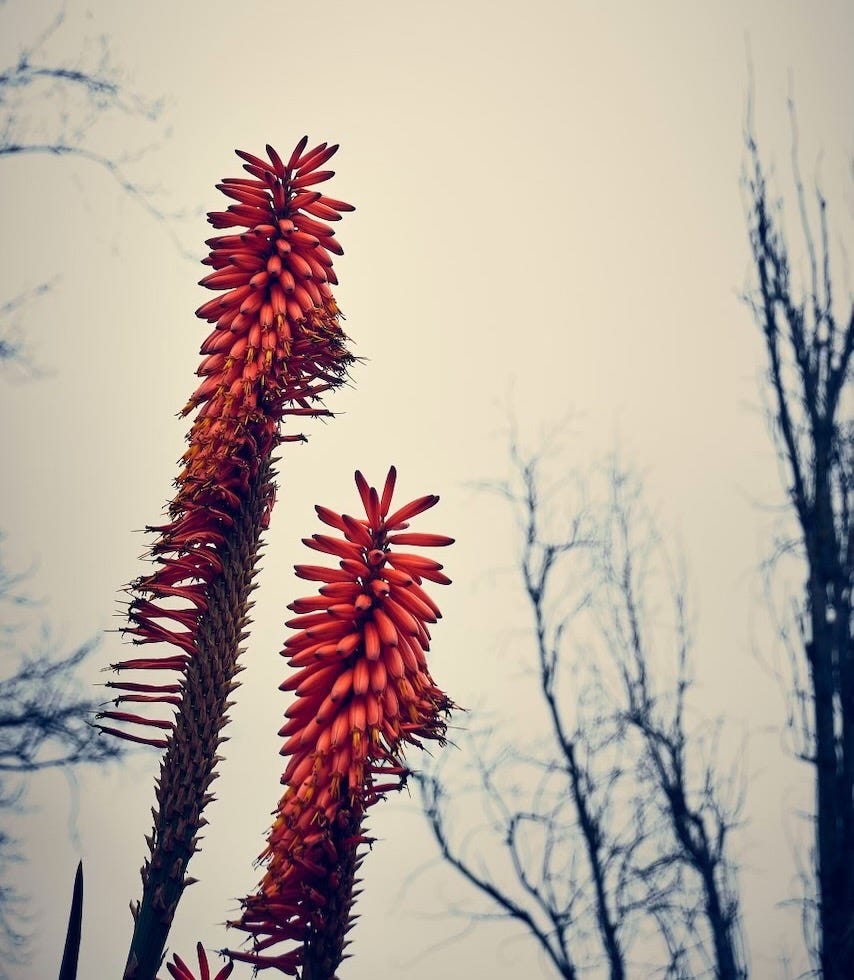
Now, the ‘shift in perspective’ metaphor could easily be applied to photography but it is not my intention at this time to make one of these ‘unblock your creativity through this simple trick’ posts (they abound to the point that it’s almost become a genre in itself — and some of them I have found helpful). As a lawyer, as someone with years of experience in project design and management, as a communicator, I would be thrilled to take an active part in rewilding initiatives. But the reason why I wanted to write about this approach lies beyond the necessary restoration of ecosystems: it is rooted in a fascination for the social and personal transformation it capacitates.
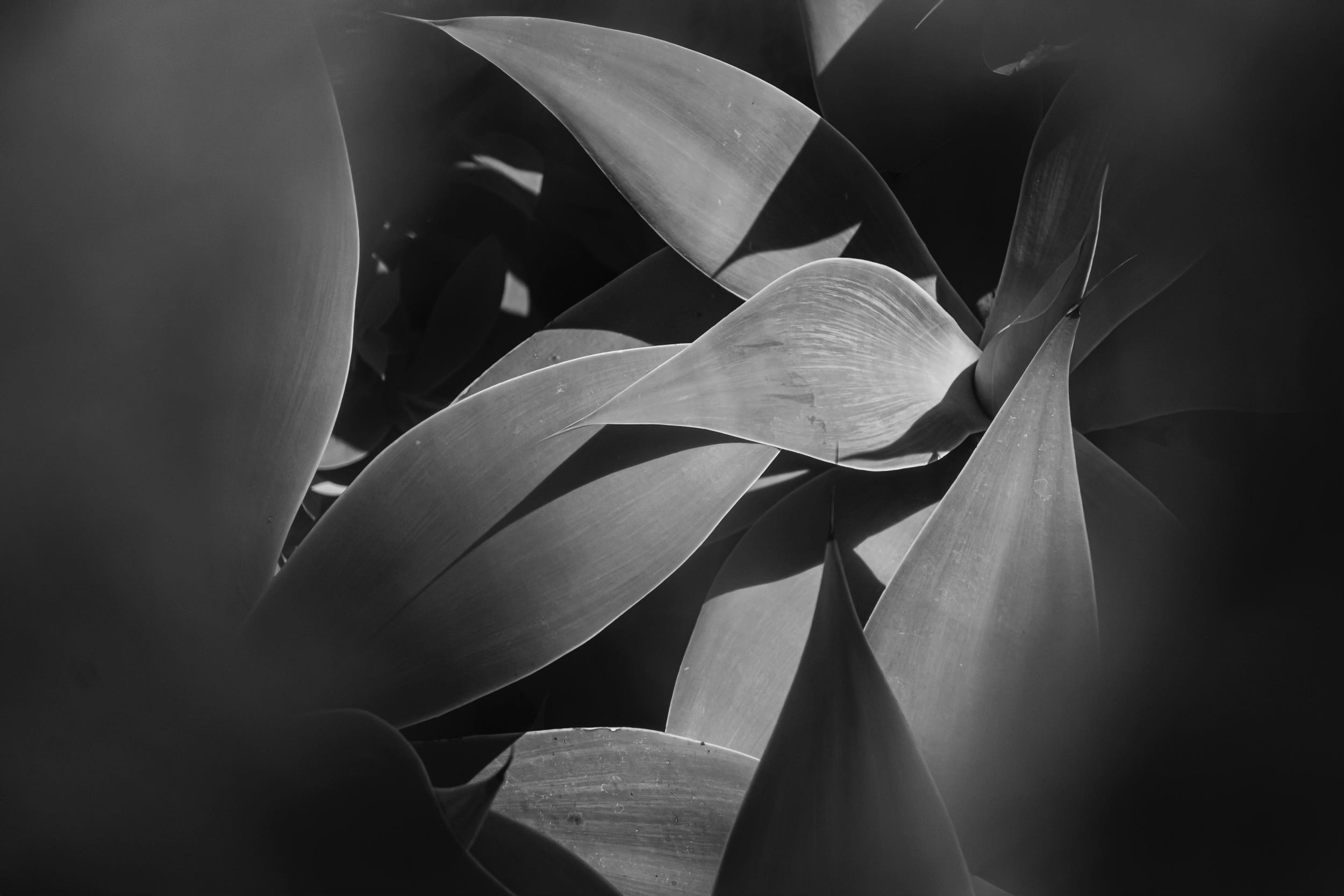
We live in times that often seem to be defined in dominating collective narratives by the inexorable proximity of the ruin of civilisation, a feat presented as a regrettable yet inevitable collateral consequence of economic growth, and the dominating societal chorus still celebrates and perpetuates a mindset of competition and exploitation. Ours are said to be dark times and the constant proclamation of imminent doom does have a paralysing effect.
What the idea of rewilding does, is offer a different view. It shifts the perspective. Facing the promise of a beautiful, better tomorrow has an emancipating power. I submit to you, folks, that this joyful force can be channelled to face many challenges of our daily lives.
xprmt
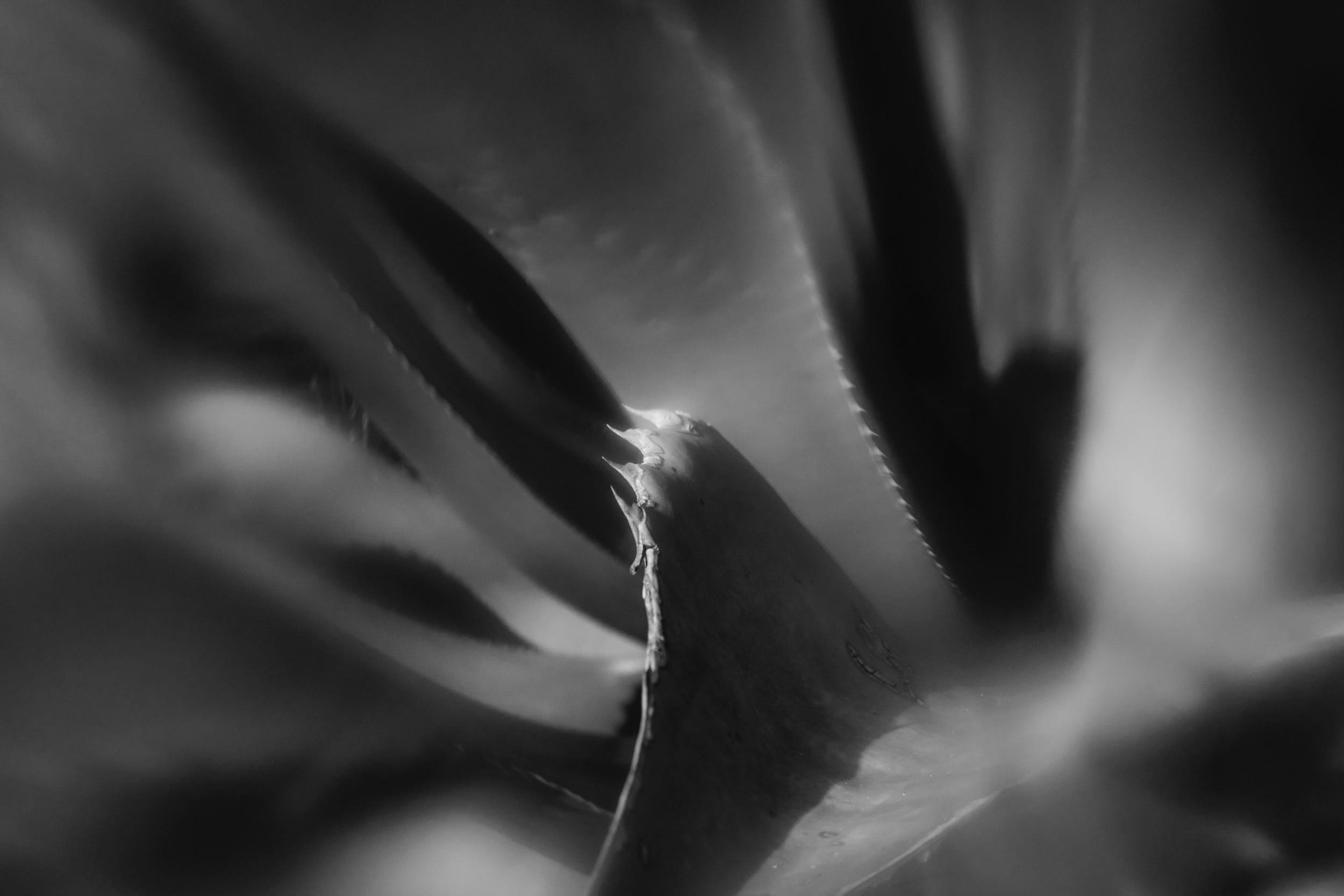
At the moment, I’m enjoying the preparation of a collective show with 7 other photographers of my local community. Under the title xprmt, we plan to celebrate the experimentation process that is at the heart of photography. I’ll reveal more when we get closer to the date (opening on 3rd July); for now, i wanted to share this excerpt from the synopsis of the exhibition:
Uncertainty is an integral part of the creative process, which is about exploring ideas and places, delving into novel ways to look at the world and trying out new manners to make images. Accepting and embracing uncertainty opens the door to the possibility of beautiful futures.
In a way, every photograph results from a process of trial and error: you try different approaches to framing the subject, you check the light under different angles. More broadly, isn’t photography a constant experimentation? Inspired by the 200 years of history of the medium and a cornucopia of online tutorials, photographers opt for a vintage lens or the latest filter, procure a roll of a a rare expired film or test a specific technical twist. They venture into another genre or define the boundaries of the next project.
And that is precisely what keeps us going: we’re explorers, we’re persistently looking for the best possible tactic to translate a vision into images and on to prints.
Navigation into an unknown
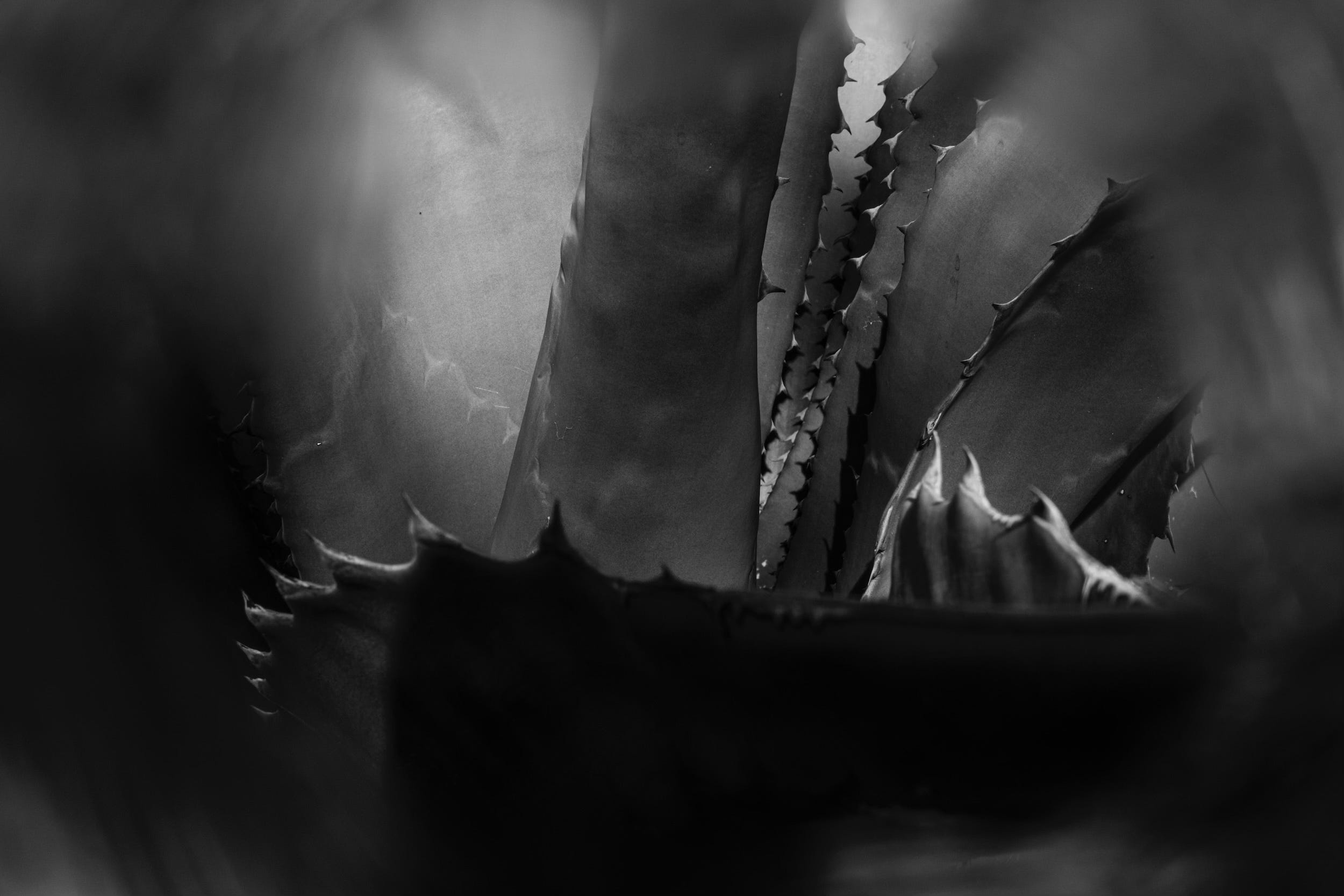
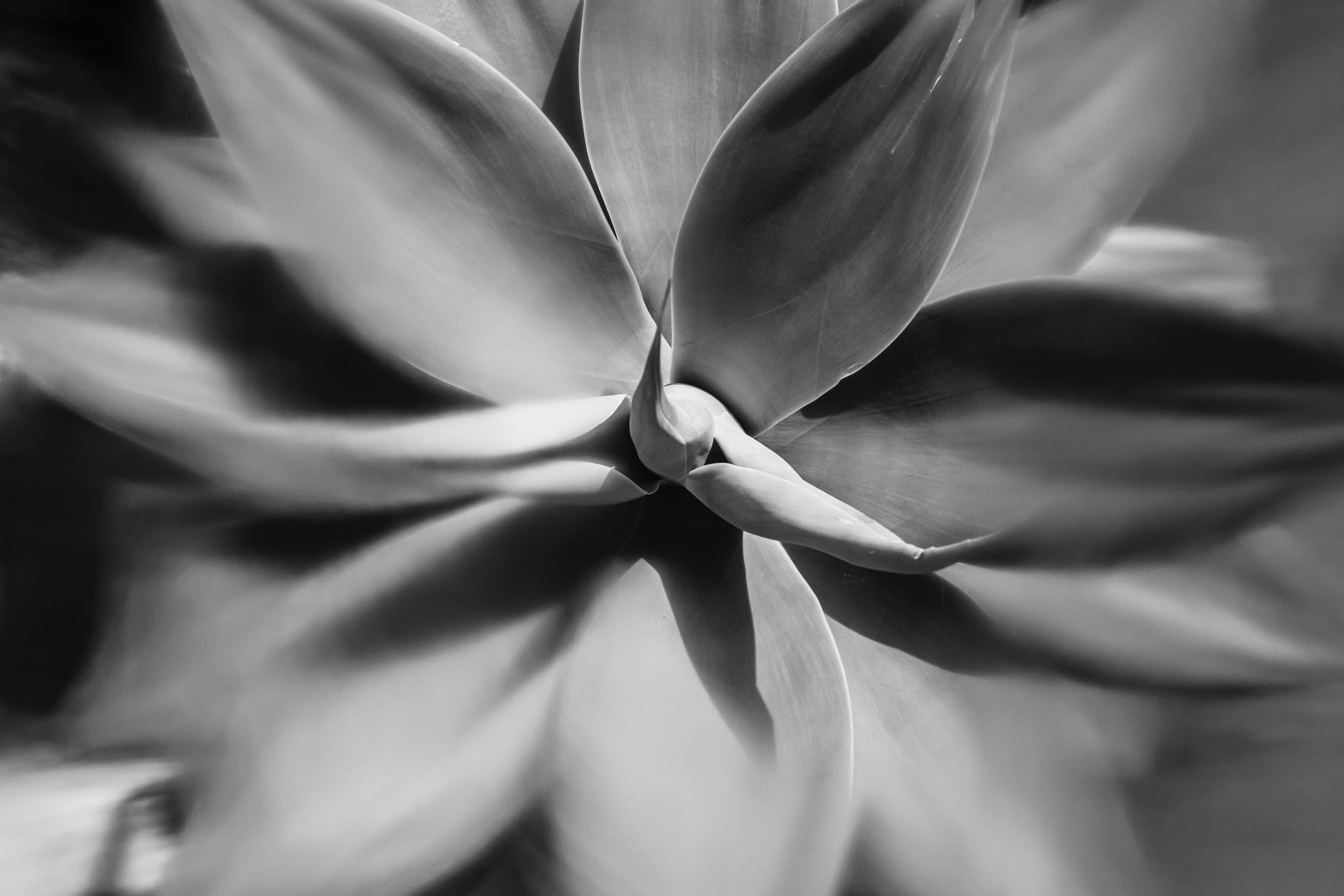
This is a photograph I believe will be part of the xprmt exhibition. In this series of ‘plantscapes’, I bring the lens close to plants in order to create black and white dreamscapes where the familiar spines and textures dissolve into terrain, weather, and mood. These surreal landscapes are made of plants, light and a touch of doubt: they are an invitation to travel into an unknown.
You can now acquire an A4 or A3 print of this photograph until 3rd May. After that date, this image will not be available for sale in this format at any foreseeable time.


This is a print of archival quality: a digital C-type print on Fuji Matt paper (231 gsm). Available with or without frame (black wood + white mount). Printing handled by a professional, carbon-neutral print company.
Prices:
A4 print (small margin): 35 EUR + shipping
A4 print (small margin) with frame: 75 EUR + shipping
A3 print (small margin): 55 EUR + shipping
A3 print (small margin) with frame: 100 EUR + shipping
Shipping to Europe starts at 15 EUR for prints, 30 EUR for framed prints.
To order, send me an email with your choice of size and frame. Make sure to include your complete address, email and telephone number. I’ll confirm the price and once the payment is processed, your print will go into production: within two to five days it will be on its way to your home.
That’s all for now, folks.
Until next time.

PS: Always happy to hear back from you.